 by
by Skin & Nutrition
What science actually says about food and acne in the UAE
Acne is not caused by one burger or one glass of karak. But the way people eat in the UAE, long hours, restaurant meals, sweetened drinks, protein shakes at the gym, does show up on the skin. Here is what dermatologists and peer-reviewed research really support, and where the myths quietly fall apart.
The main dietary triggers, at a glance
1. Dairy
Milk, especially skim, is the strongest link
Several large studies, including a 2018 meta-analysis in Nutrientsfound that people who drink milk daily have a modestly higher risk of acne. Skim milk shows the strongest association, likely due to whey and hormonal precursors. Yoghurt and cheese show weaker links.
2. High-GI foods
White bread, sugar, sweetened drinks
High glycemic-index diets raise insulin and IGF-1, which push oil glands into overdrive. Trials show a low-GI diet can reduce lesion counts within 10 to 12 weeks.
3. Whey protein
Common in UAE gym-goers
Case series link whey isolate to a specific acne pattern on the chest, shoulders and jawline in young men. Switching to plant protein often clears it.
4. Ultra-processed food
Fast food, delivery apps and skin
A JAMA Dermatology study of more than 24,000 adults found that people eating the most ultra-processed food had 24% higher odds of active acne. With Dubai and Abu Dhabi ranking among the world’s top cities for food-delivery usage, this matters here.
5. Chocolate
Mostly the sugar, not the cocoa
Dark chocolate above 70% cocoa rarely triggers breakouts. Milk chocolate, with dairy plus sugar, is a more consistent culprit in controlled trials.
6. Deficiencies
Zinc, vitamin D, omega-3
Low serum zinc and vitamin D are common in the region and both are repeatedly linked to more severe acne. Correcting them helps, but only if a deficiency actually exists.
UAE context
Why the lifestyle here makes acne harder to control
The UAE has one of the highest rates of eating out per capita in the world. Long office hours in Dubai and Sharjah, shift work in hospitality and logistics, and the summer heat all push people toward air-conditioned food courts, delivery apps and sugary iced drinks. According to Dubai Health Authority data, around 70% of adults in the emirate are overweight or obese, and roughly 19% of the UAE population lives with diabetes, both conditions tied to the same insulin and inflammation pathways that worsen acne.
Add to that a hot, humid climate that keeps skin sweaty and pores clogged, sunscreen worn all year, heavy makeup for indoor events, and gym culture built around whey shakes, and it becomes clear why acne is not simply a teenage problem here. A 2020 survey in Clinical, Cosmetic and Investigational Dermatology reported that more than 55% of Emirati women aged 20 to 40 had experienced adult acne in the past year.
Food alone does not explain that number, but it is one of the few pieces most people can actually change.
Gut health, inflammation and hydration: the parts nobody talks about
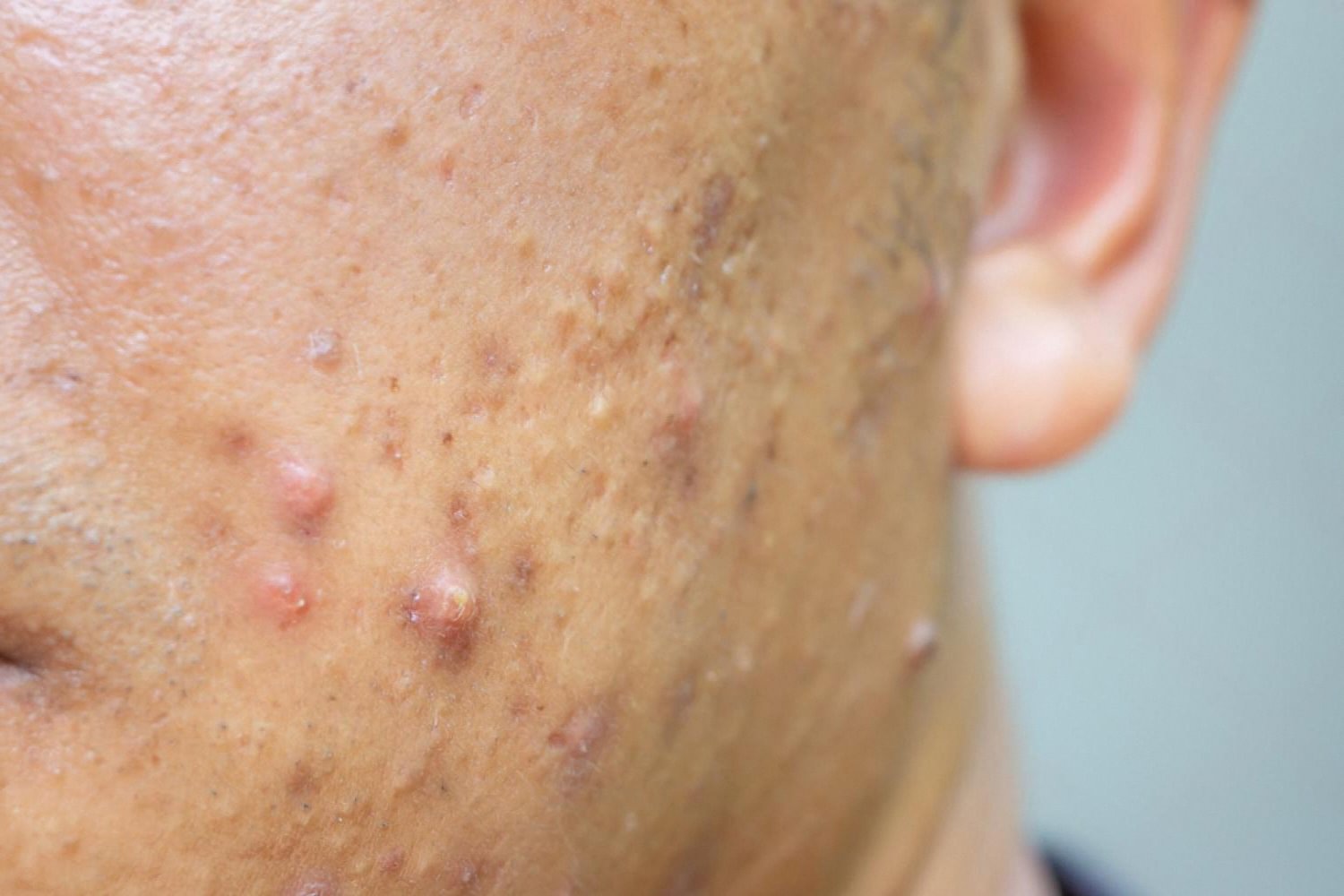
Acne is now understood as an inflammatory condition, not just an oil-and-bacteria problem. The gut microbiome influences skin through what researchers call the gut-skin axis. When the gut lining is irritated by ultra-processed food, alcohol or chronic stress, inflammatory signals travel through the bloodstream and can worsen breakouts on the face, chest and back.
Hydration matters too, though not in the way social media suggests. Drinking eight litres of water will not clear acne. But mild chronic dehydration, common in the Gulf climate, weakens the skin barrier and makes existing inflammation look worse. Aim for steady intake through the day, and treat sweetened iced drinks as dessert, not hydration.
Myths vs. what the research actually supports
- Myth: Oily food causes oily skin. Fact: Eating fat does not directly increase sebum. Refined carbs and dairy do more.
- Myth: Chocolate causes pimples. Fact: The sugar and milk in most chocolate bars are the real triggers, not cocoa itself.
- Myth: Detox teas clear acne. Fact: No study supports this. Most “results” come from cutting sugary drinks at the same time.
- Myth: Drinking gallons of water heals acne. Fact: Adequate hydration helps the barrier, but it will not shrink cysts.
- Myth: Supplements can replace treatment. Fact: Zinc, omega-3 and vitamin D help only if you are actually deficient, and never as fast as prescription care.
“Diet is a modifier of acne, not the cause. In UAE clinics we see the fastest results when patients combine a low-glycemic, low-dairy pattern with proper dermatological treatment, not one or the other.”
Practical plate
A realistic UAE-friendly eating pattern
- Base most meals on grilled protein, legumes, vegetables and whole grains like freekeh, bulgur or brown rice.
- Swap sweetened karak, cold coffee and fresh juices for water, unsweetened tea or plain laban a few times a week.
- Keep dairy modest: 1 to 2 servings a day, and skip skim milk if breakouts flare.
- If you use whey protein, try a two-month switch to pea, soy or egg-white protein and watch the skin.
- Treat fast food and desserts as weekly, not daily. Delivery apps make daily very easy.
- Get vitamin D and ferritin tested once a year, deficiencies are common in the UAE even with sunny weather.
- Include omega-3 sources: salmon, sardines, walnuts, flaxseed, or a fish-oil supplement if intake is low.
Why diet alone is never enough
Even the cleanest diet cannot unblock a pore, kill Cutibacterium acnes or normalise the way skin cells shed. Moderate to severe acne needs medical treatment: topical retinoids, benzoyl peroxide, azelaic acid, prescription antibiotics, hormonal therapy for women, or isotretinoin for stubborn cases. Nutrition is a support pillar, not a replacement. If breakouts are leaving scars or dark marks, especially on the deeper skin tones common in the UAE, waiting for a diet change to work is the most expensive delay you can afford.
A qualified dermatologist or a licensed aesthetic and cosmetology clinic can assess whether your acne is hormonal, inflammatory or comedonal, and pair the right in-clinic treatment with the food changes above. That combination is what actually clears skin, and keeps it clear.
Frequently asked questions
Does cutting dairy really clear acne?
For some people, yes, particularly if they drink a lot of milk or use whey-based protein shakes. Studies suggest a modest but real link, strongest with skim milk. A fair test is a strict 8 to 12 week trial with no milk, whey or milk chocolate, then reintroducing to see what happens. If nothing changes, dairy is probably not your trigger.
Is fast food in Dubai worse for acne than home cooking?
Usually yes, because most fast food and delivery meals are high in refined carbs, sugar and industrial oils, and low in fibre. That pattern raises insulin and inflammation, both of which drive breakouts. Eating out once or twice a week is fine. The problem is when delivery becomes the default six or seven days a week, which is common in the UAE.
Can supplements like zinc or vitamin D fix acne?
Only if you are genuinely deficient. Vitamin D deficiency is very common in the UAE despite the sun, because most people spend the day indoors. A blood test will show whether supplementation is worth it. Zinc, omega-3 and probiotics can help mild inflammatory acne as an add-on, but they will not clear moderate or cystic acne on their own.
Is chocolate really a trigger?
Milk chocolate is the more likely offender because it combines dairy and sugar. Dark chocolate at 70% cocoa or higher, eaten in reasonable amounts, has very little evidence against it. If your acne flares two to three days after a chocolate binge, take note, but do not blame cocoa itself.
How long before diet changes show on my skin?
Skin cells turn over roughly every 28 days, and inflammation takes longer to settle, so realistic changes appear after 8 to 12 weeks of consistent eating, not two weeks. Keep a simple photo log every Sunday under the same lighting so you notice real progress instead of daily fluctuations.
Should I see a dermatologist or just fix my diet first?
If your acne is mild and non-scarring, a low-glycemic, low-dairy diet plus a basic routine of cleanser, benzoyl peroxide or adapalene, moisturiser and sunscreen is a fair first step. If you have painful cysts, scarring, dark marks or acne that has lasted more than a year, see a dermatologist now. Diet changes work best alongside proper treatment, not instead of it.
Does drinking more water clear acne?
It supports skin barrier function and general health, but water alone will not remove acne. What matters more is replacing sugary drinks, iced coffees and sweetened juices with water or unsweetened options, because that quietly cuts a large amount of sugar from the daily total.

Soccer lover, shiba-inu lover, fender owner, vintage furniture lover and typography affectionado. Operating at the sweet spot between art and mathematics to craft an inspiring, compelling and authentic brand narrative.