
 by
by Muscle recovery has long ceased to be a topic exclusively for professional athletes. Today, sports massage, manual therapy, and post-workout recovery are part of the routine of runners, padel players, crossfit enthusiasts, and even those who just regularly visit the gym. The reason is obvious. Intense workouts exhaust the body faster than many people used to think. Without proper recovery, physical activity gradually turns not into a source of progress, but into a cause of chronic fatigue, muscle tension, and sports injuries, which is why many active residents now include deep tissue massage Dubai sessions in their weekly recovery routines.
Why Don’t Muscles Repair Themselves So Quickly
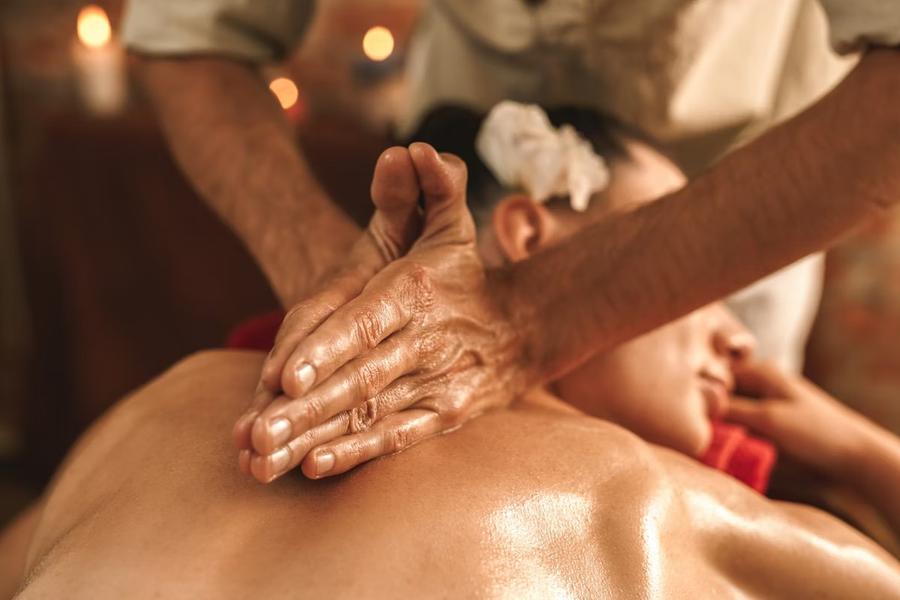
After an intense workout, the body faces several problems at once. Microfractures appear in the muscle fibers. Lactic acid and other metabolic wastes accumulate in the tissues. At the same time, the range of motion decreases, flexibility deteriorates, and fascial limitations gradually begin to affect joint mobility.
Many people think that regular sleep is enough. In practice, passive recovery is slower. This is especially noticeable with regular high-intensity workouts. The body simply does not have time to fully restore tissues between loads.
That is why sports physiology focuses on active recovery. Deep tissue massage, lymphatic drainage, and fascial repair help speed up blood circulation, improve tissue nutrition, and reduce inflammation. Due to this, the recovery physiology starts faster, and muscle fatigue decreases noticeably more effectively.
How Sports Massage Affects Performance
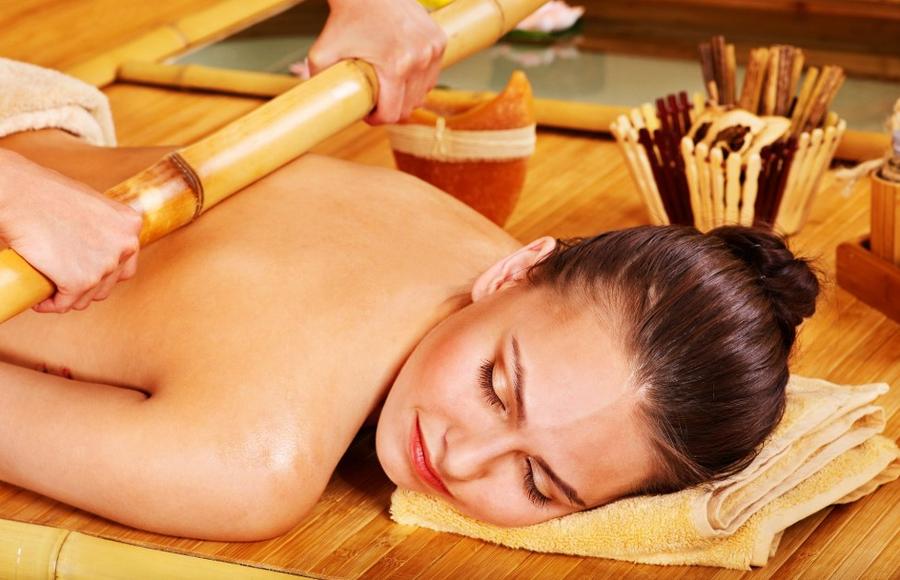
Athletic performance depends not only on strength or endurance. The quality of recovery after a workout plays a huge role. If the muscles remain overloaded, the body begins to move less efficiently. Stiffness appears. Sports mobility is lost. There is a risk of overloading joints and ligaments.
Regular rehabilitation procedures help to maintain functional movement even under high loads. This is especially important for people who run, pedal, or do strength training. Repetitive movements create constant tension in certain muscle groups. Without sports therapy, such overloads often turn into chronic problems.
Massage also helps maintain a range of mobility. This is critically important for movement technique. When muscles and fascia lose elasticity, coordination deteriorates, and the risk of sports injuries begins to increase with literally every workout.
The hot climate also creates an additional burden. At temperatures above 40 °C, the body loses fluid faster, muscle fatigue increases, and dehydration often causes seizures. In such conditions, muscle recovery becomes not just a useful procedure, but a necessary part of the training cycle.
Why Has Recovery Become A Part Of Sports Culture

Until a few years ago, recovery sessions were perceived as additional comfort. Now the situation has changed. An active lifestyle requires the body to constantly adapt to stress, and without support, the body begins to accumulate chronic stress and signs of overtraining faster.
Modern sports recovery methods include more than just massage. Compression therapy, heat therapy, physiotherapy and infrared sauna are increasingly being used. Some procedures help activate blood flow in about 15 minutes, speeding up tissue repair after intense exertion.
Mental recovery has become equally important. Constant training stress affects the nervous system, cortisol levels, and sleep quality. Therefore, sports massage helps not only the muscles, but also the general condition of the body. Stress reduction, relaxation, and recovery of the nervous system directly affect training performance.
Today, restorative biology is considered as a full-fledged part of sports training. And the higher the training intensity, the stronger the dependence of the results on the quality of recovery becomes.

Soccer lover, shiba-inu lover, fender owner, vintage furniture lover and typography affectionado. Operating at the sweet spot between art and mathematics to craft an inspiring, compelling and authentic brand narrative.